00:00:06:00 - 00:00:31:22
Welcome to rethinking EA's global goals and local delivery. Mergers and acquisitions are often evaluated through financial models, legal reviews, and due diligence reports. But many of the challenges that determine whether a deal ultimately creates value emerge after the transaction closes. In this episode, we will explore the role local expertise plays throughout the deal life cycle, from a defined risk during due diligence to supporting integration and long term value creation.
00:00:31:23 - 00:00:33:23
After the close.
00:00:34:00 - 00:00:50:13
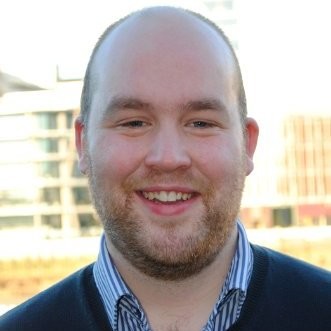
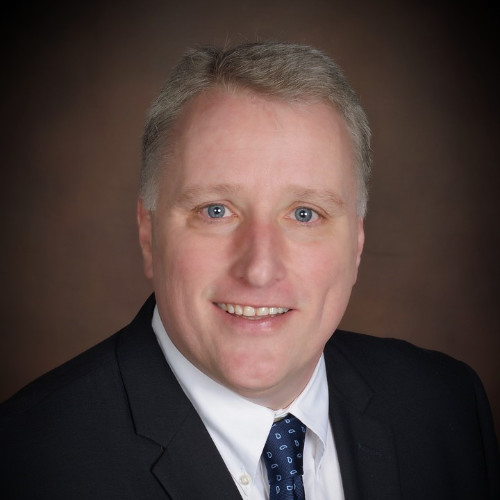
Today I'm joined by Andrew Sweatman, director of M&A Transactions Services at ant Group UK, and Andrew Young, group CEO at Enviro Solutions and Consulting in Singapore. I will also be bringing in a US perspective in today's conversation. On behalf of Antigua Group U.S.. Thank you both for joining me.
00:00:50:18 - 00:01:13:11
So so let's let's begin. You know, you know, when we think about the current deal environment and, and and and how each plays in that role and plays, it plays within the the greater M&A space because we both all three of us understand that when we think about mergers and acquisitions, environmental health, safety, sustainability is just a small portion of what our clients are looking at.
00:01:13:13 - 00:01:30:22
Andy, I'd be curious to know from your perspective how how has due diligence changed over the over the last five years, both from a scope of work perspective as it relates as well as to what are clients looking at from from a risk perspective, from an due diligence idea?
00:01:30:24 - 00:01:38:15
I think historically many buyers were primarily looking at for, you know, they were looking for liabilities. They were just trying to work out,
00:01:38:17 - 00:01:50:01
what is this going to cost me? What do I need to allow for my CapEx and OpEx projections when I'm calculating how much I want to pay for this, for this company, for this, for this land.
00:01:50:03 - 00:02:15:05
And I think those things are still important, but I think clients are also asking a much broader question, or at least should be, which is will this business remain investable and operationally resilient over the next decade or decade plus? So, you know, I think we've seen growing focus on topics like climate resilience, like water availability, global supply chain risks.
00:02:15:07 - 00:02:22:05
There I say at ESG, although it's obviously the political
00:02:22:07 - 00:02:46:02
Absolutely.
00:02:46:04 - 00:03:03:05
Yeah. Yeah. Andy when you think sorry.
00:03:03:07 - 00:03:10:16
You know it's interesting when I in what I'm seeing recently and I'd be curious and from your perspective particularly in Europe
00:03:10:18 - 00:03:30:08
is you know you know historically M&A due diligence services has always been about discovering downside costs. What what what are we going to get into. What do I not know about as it relates to that's going to impact the value of this, of this acquisition, either throughout this whole time or what's going to cost me to integrate it into my existing business.
00:03:30:14 - 00:03:55:01
What I'm seeing over the last few years now is this concept of of value creation and the ability for not only looking at downside costs, but opportunities where if we just invested a little bit here, the value creation would be far greater than what we just invested. Are you seeing that on on in your side of the world as well?
00:03:55:03 - 00:04:17:16
at more than just what's wrong with this business. But yeah what, what could be right about it. And I think that really factors into investors bid case at investment committee stage. You know they they want to be able to push their valuation or have a reason for their valuation to be higher than their competitors valuation.
00:04:17:16 - 00:04:35:12
So they win that deal but can still make money on it when they come to sell it or over the course of their ownership. So absolutely, I think I think it's important, I think it's much more intelligent thinking from clients. And,
00:04:35:14 - 00:04:37:06
Yeah. Yeah, it's it's interesting.
00:04:37:08 - 00:04:46:23
It is a, it is the I never really thought about it from the perspective of the valuation piece. Right. To give you a little bit more of a competitive advantage from that perspective. That's a really good point.
00:04:47:00 - 00:06:15:15
Andrew, what do organizations most often underestimate when a, when acquiring operations somewhere new?
00:06:15:17 - 00:06:16:22
okay, Andy.
00:06:16:22 - 00:06:20:21
Let's let's let's let's let's ask another question kind of in this in the same vein,
00:06:20:24 - 00:06:36:03
what's an example where issues has changed the direction of a deal. Is there something recently that you can think of. Or it's we have to pivot as it relates to where this deal is going. Can you think of one that you've recently worked on?
00:06:36:05 - 00:06:46:16
do due diligence, you know, we're happily able to say there's a general absence of major issues that are going to move the dial. You know, it's about kicking the tires, and most of the time the tires are fine.
00:06:46:18 - 00:06:54:07
But yeah, still plenty of situations where what we've uncovered has sort of materially changed the direction of the deal.
00:06:54:08 - 00:07:19:01
You know, there was one I looked at, it was it was more of a property issue than M&A issue. But we were looking at a food manufacturing site over here in the UK. Six weeks ago or so that had a, storage tank. The old storage tank was five years old. No, it was no, it was close to ten years old.
00:07:19:03 - 00:07:36:07
Sitting there looking very nice. And, you know, I said, you know, we basically inquired as to why they had a ten year old tank and not a 2030 year old tank, which was the age of the of the site. They said that the old tank was buried underneath it or used to be buried underneath it. They believed it had been taken out.
00:07:36:12 - 00:07:59:03
They weren't quite sure. They didn't have any evidence about it. We couldn't we couldn't dig the test because the new tank was sitting on top of it. We couldn't really do too many, you know, there wasn't the option of, drilling boreholes in the immediate area because of buried pipework from the new tank. Or at least it was very constrained.
00:07:59:04 - 00:08:18:24
And so it was a bit of a, a bit of a head scratcher for the clients to, you know, we don't know if this is this is still there. We don't know what if it was decommissioned, whether it was emptied appropriately, that sort of thing. So in the end. You know, we gave we sort of worked with them, gave them some options.
00:08:19:01 - 00:08:43:06
It delayed the deal a fair, a fair while while the solution was was found, the vendor got a bit a bit itchy, but in the end they found insurance routes. So they they managed to ensure it for the, the likely period of their ownership. It might come up as an extra issue at disposal, but they got themselves comfortable for their ownership period in the end.
00:08:43:08 - 00:08:50:17
But it was it was on the edge as to whether they were going to have to walk away because the the vendor was, was getting
00:08:50:19 - 00:09:06:20
Yeah yeah yeah. It's it's it's got does often come down to to those little those those those pinch points. Right. We had one we had one recently. And Andrew you may have been involved in or and you might have been involved in this rather we had we had a client that
00:09:06:20 - 00:09:11:02
was looking at buying a, a food company similar to another type of scenario.
00:09:11:02 - 00:09:28:05
And, and one of the things about what I love about M&A is you often get to sit at the table with the attorneys and the deal people and, and the people that are working out the scope of what who's covering what part of due diligence. Right. So some the attorneys are covering this and the inside counsel's covering this, and they expect us to cover that.
00:09:28:05 - 00:09:55:08
And we're sitting around the table and making sure that we're evaluating all the risks. And we had we had really started getting we were probably two thirds of the way through this process. And then we started talking a little bit about, Has anybody looked at us in the packaging of this food and really got into a deep discussion as to what's regulatory required and so forth, and what really kind of got everybody thinking about this was that this was this was a global food provider.
00:09:55:09 - 00:09:56:20
This was a this was
00:09:56:22 - 00:10:05:08
they had they possibly could had in their in their packaging materials. It's not uncommon. And so what does it's
00:10:05:08 - 00:10:19:03
not our current regulatory issue. What does that do from a long term liability perspective with with their packaging. So we really started digging into what that meant, what their supply chain looked like for their packaging, what their other options and so forth.
00:10:19:06 - 00:10:36:16
And that was really it did pivot. It made the whole deal change a bit. And we had to, to really dig into that and look at some different supply chain options as it related to packaging. So that's just one of those moments, right, where you have that opportunity to to contribute.
00:10:36:18 - 00:10:44:16
So let's let's keep moving here. So one of the one of the things we talk about often on this podcast is that global challenges are ultimately managed locally.
00:10:44:18 - 00:11:10:10
M&A is no different. And in fact it's it's it's a perfect example of where how risk is perceived. It's different from location to location to location, not only from company to company, but from geography to geography. So let's dig into that a little bit deeper. Andrew, why can two similar facilities carry very different risk profiles depending on where they're located?
00:11:10:10 - 00:13:12:16
Can you dig into that? Can you give me an example of what that might look like?
00:13:12:18 - 00:13:25:15
Great. Thank you. Thank you Andrew. You know, when we also think as it relates to the geography and how things change and so forth, that what I've seen and I've been curious on what you both think about this,
00:13:25:20 - 00:13:43:19
but, you know, it's Jess culture in particular changes from location to location to location. So in the US, for instance, it's very much a, a, a regulatory requirement to be to be in compliance with the regulations and so forth.
00:13:43:19 - 00:14:03:13
And that is it's a regulatory compliance lens. You go to Europe and it's much more a risk assessment compliance lens. And that's different. So it may not be regulatory required. But there's a risk that the that the the operator needs to to manage and so forth. So being able to cover both a risk lens and a compliance lens within the same compliance deal.
00:14:03:18 - 00:14:29:23
Same or same M&A deal that may have facilities located around the world. It's not always it's not always obvious and it's not always an easy thing to do. So I find it fascinating when we have to to work with a multinational organization that is either buying or acquiring or selling and understanding the difference in the nuances related to a risk perspective and a and a regulatory driven compliance perspective.
00:14:30:01 - 00:14:44:00
And there are two entirely different animals and they often come up with with, with with different results. So that's I mean, that is probably the one place where I see the cultural aspects typically take really come to
00:14:44:03 - 00:14:54:03
come to shame. Andy, let me ask you this. How do local expectations around health, safety and community engagement differ from place to place based on your experience?
00:14:54:03 - 00:15:03:11
Have you seen much of that?
00:15:03:13 - 00:15:18:20
You need to you need to understand what the regulator's behavior is going to is going to be and what their priorities are. Like. You said the UK and the European regulators, you know, the UK ones I have the most experience with.
00:15:18:22 - 00:15:49:22
They are much more risk focused than pure, compliance focused. If you look to work collaborative with with them to solve issues, then they are much more likely to give you, as the operator of a site, some slack rather than coming down on you like a ton of bricks for every noncompliance. So knowing the difference between, regulators, you know, between different geographies can be can be really important.
00:15:49:22 - 00:15:57:16
I think that's where having really good local support when you're doing an international deal is absolutely vital.
00:15:57:18 - 00:15:58:07
you have to ask.
00:15:58:09 - 00:16:28:11
You have to ask the question differently, right. To be able to coax it out because it's not as many times forthcoming or there's there's cultural ramifications of how they answer those questions and so forth. So it's a, it's a, it's a, it's a, it's a, it's a real it's a real issue. I guess you could say in this space, you know, kind of following up on that, I am I am curious, you know, we talked a little bit about what we see when we're actually on with boots on the ground with, with, with, you know, doing the due diligence and we're interviewing people and so forth.
00:16:28:12 - 00:16:46:02
What has been your, your perspective of doing dealing with U.S. multinationals? Right. Because U.S. multinationals, a lot of a lot of times, as I mentioned before, will come from a, from a, a regulatory it's required they have to do this right. And then all of a sudden they start buying into properties, into Europe. This might be their first venture into Europe.
00:16:46:02 - 00:17:14:24
It might be the first venture into to APAC where it's not regulatory anymore. It's that risk based approach. And have you had challenges conveying to U.S. multinationals or their representatives? I guess you could say as to this is, yes, it's not regulatory required, but from a risk management perspective, it's not specifically stated in a regulation, but from a risk management perspective, it is expected that the the operator will manage and address these these these risks.
00:17:15:03 - 00:17:34:21
Have you had many challenges with that or is that just generally after they understand the concept, they fall in line pretty quickly?
00:17:34:23 - 00:17:47:06
it is worth or it's very valuable to have kind of a relatively informal chat with the key decision makers at the client side to just make sure that they understand what we're saying around those sort of areas, you know, surely maybe.
00:17:47:07 - 00:18:13:20
Haven't, you know, this, this, this site somewhere hasn't got quite all the paperwork it needs, but that can be fixed. And, you know, no one's coming after them for it. It's probably not, you know, while it is across under your compliance checklist, it's not necessarily an issue for the ownership of this, of this target business and can be can be fixed and, you know, without too much cost or, or chagrin.
00:18:13:20 - 00:18:45:07
So yeah, it's, it's when, it's when a formal, you know, diligence procedure comes up against the reality of how a target company operates and they can clash. And when you are dealing with clients who are primarily, you know, money people and they they want to know about the numbers at the, at the bottom line, sometimes some of these things can be difficult to translate into that sort of mindset.
00:18:45:09 - 00:18:48:15
But it's it's part of the challenge and it's, it's quite an interesting one.
00:18:48:17 - 00:19:01:18
It's it's quite honestly it's part of the fun. Right. But when I, when I think about doing this work, it's honestly it being able to kind of bridge that a multicultural gap and bridge that business gap and so forth. That's part of the part of the fun of doing this business.
00:19:01:20 - 00:19:02:02
okay.
00:19:02:03 - 00:19:37:22
So so moving on. So many organizations invest heavily in identifying risk before the transaction. That's the whole M&A process. And there's a there's a fair amount of effort that goes into that. But in many cases the real challenge is often managing those risks after the ownership changes hands. You know, when I think about it from the from the US perspective, there's all this effort that goes into doing due diligence and identifying either gaps or noncompliance or risks, and you're talking to the deal people and your and you're having those conversations and, and it's all captured in oh for the most part in a nice clean format.
00:19:37:24 - 00:20:14:13
One of the things that I find fascinating is that we've spent all this time at these issues, but then when operations takes control, either be it from a corporate M&A perspective or a private equity perspective, but when operations takes control of the new acquired either facility or company or whatever the case might be, those findings that were discovered during the due diligence, for whatever reasons, many times don't get translated or communicated down to the down, to the down to the what is now the new HS function within those within those organizations.
00:20:14:13 - 00:20:45:13
And and so they're often starting on the back foot as it relates to now I now I'm I'm Mr. or Miss Jess function leader and I have 15 new facilities that I have to manage. And I'm walking into this blind. And I've seen that time and time again where there's just there's the opportunity there to really, I think, facilitate a better transition from the lessons learned and all that type of stuff that happens during the M&A process and making sure that those lessons, those those gaps are identified.
00:20:45:13 - 00:22:53:04
And I've seen that that time and time again. Andrew, I'm curious from your perspective where where did differences in safety culture create the biggest challenges?
00:22:53:06 - 00:22:54:11
Okay,
00:22:54:13 - 00:23:15:02
So let's let's keep moving here. So when we think about, as, as the future of M&A, you know, the expectations continue to evolve. Investors, private equity corporate buyers due diligence no longer just about a defined liabilities. Andi, you and I talked about this earlier about how it's not just about liabilities, but there's some value. There's some value piece here.
00:23:15:02 - 00:23:41:19
And you know when I'm when I'm seeing it on the US side is the breadth and the scope of the actual remit or the scope of services that we're providing continues to expand. And it's not getting smaller. They're asking for more and more specific needs, more specific items that not only deal with with compliance or liabilities, but value value creation, things like around the carbon footprint, the ESG side of things.
00:23:41:19 - 00:24:08:23
We are still seeing it in the US, albeit slower than it was prior to the current administration, but we are still seeing it, and we're seeing it for particularly for those, for those investments that are happening in, in Europe and in Asia, we're seeing that just has not slowed down in any meaningful way. The other thing that we're seeing is there the these buyers becoming more sophisticated as it relates to what what do they actually want to understand up front and what.
00:24:08:24 - 00:24:33:09
And it can be anything from the risks within the four walls, which is that each piece, it could be the product side, the whole supply chain side. They're looking at supply chain interruption, how, you know, how resilient are their supply chains. So it's become a far more I mean I don't look no further than the news than to understand what the risk these companies have as it relates to their supply chains being overseas, etc..
00:24:33:11 - 00:24:35:01
So we're doing a lot more of
00:24:35:03 - 00:24:48:21
and Andy, let's let's I'm curious from your perspective like how are how are things like climate resilience, water security, supply chain transparency, transparency, reshaping due diligence from what you're seeing in the market today.
00:24:48:23 - 00:25:05:17
important. They are, they really fit into what we were talking earlier about, going beyond purely just assessing liabilities and looking at the, protecting the value of a, of an investment over the, over the course of, of the likely ownership cycle and beyond,
00:25:05:19 - 00:25:13:23
you know, things like things like that, you know, that list flooding is like going to be more, more vulnerable to flooding in the future.
00:25:14:00 - 00:25:40:09
That that is one of the core parts of our due diligence these days. Depending on the sector, the water availability and particularly its constraints on future expansion. You know, we we we really enjoy it when we get to interact with the more technical, due diligence advisors as well on that, that sort of topic.
00:25:40:11 - 00:26:08:13
So, yeah, obviously data centers are a are a big one there. But, you know, food manufacturing, it's a big factor there. Are they going to be able to get the the water available to, you know, increase the, the output of the of, of a factory in line with what the investor wants to, wants to do over, over the course of the ownership, the climate related thing is, disruption angle is a really, really interesting one.
00:26:08:15 - 00:26:39:05
Keith, I was working with with some of your colleagues in the US looking at a potential, European investment from, from a US client. And it was, it was a, a business that, entirely relied on, on rivers, and European rivers and the, the European continent pretty much as a whole is experience such a unprecedented drought this year that that the Rhine, which was was going to be a key river for this investment, got to listen.
00:26:39:06 - 00:26:51:20
25cm in depth. At one point, it's less than a foot, on a key area of of of a major water waterway, which is just absolutely,
00:26:51:22 - 00:27:24:13
Absolutely ruined the plans of logistics companies using that and leisure companies using that, that resource. It's something that that maybe before we'd seen it on the news might have, might have slipped through a due diligence process. So I think it's important to be on the sort of cutting edge of what could affect, clients and really think around the whole, the whole kind of list of environmental aspects that could that could be relevant, not just a, a kind of pre-prepared
00:27:24:15 - 00:27:39:23
Right. Right. Yeah. Very true. And then if it's not if it's not drought, it's flooding. Right. So Europe is it's it goes back and forth so that, that, that, that extreme weather pieces. Definitely something that we have to take into account on all these things moving
00:27:40:02 - 00:27:46:23
forward. You know, Andrew, from your perspective five years from now, curious, how will global M&A due diligence look different?
00:27:46:23 - 00:30:12:10
What do you think? What are those what are those future trends looking like? The curious on your thoughts on
00:30:12:12 - 00:30:13:02
00:30:14:03 - 00:30:21:08
All right. So just real quick let's let's let's close this up. And I'm quick I'm curious from both of you just one this conception. So when I think
00:30:21:08 - 00:30:31:21
of a misconception from an M&A perspective that I'm dealing with and within organizations, it's about how, how how people interpret risk. And we talked about this earlier before. It
00:30:31:21 - 00:30:37:05
is how we as Americans see risk is entirely different than the Chinese see risk.
00:30:37:05 - 00:30:49:05
And it's different than our resiliency risk. And somehow or another, this common M&A piece has to get us get us to a common ground there. So that is the it's not always easy, but it's something that is is we can't assume that
00:30:49:05 - 00:30:55:03
risk is perceived the same across the board. So I'm curious one lesson from from both of you guys.
00:30:55:03 - 00:31:03:15
So what's one lesson you've learned from working across different countries and cultures doing transactions and start with you.
00:31:03:17 - 00:31:45:01
So I think, I think the main lesson that I've learned is that curiosity matters. Your international deals in particular, you're much less likely to see the operations with your own eyes.
00:31:45:03 - 00:32:50:18
Okay, great. And and Andrew, what's one lesson you've learned from working across
00:32:50:20 - 00:32:58:03
Thank you to Andy and Andrew for sharing your expertise and practical insights on today's episode of Rethinking Global Goals. Local
00:32:58:03 - 00:33:11:05
Delivery as we celebrate 25 years of the Internet Alliance. The series reflects what makes our network unique global collaboration, local expertise, and a shared commitment to accelerating a resilient planet and a safer workplace for all.
00:33:11:07 - 00:33:31:08
If you follow today's conversation valuable, follow the series and share it with colleagues across your organization and professional network. You can also connect with us on our website. Follow us on LinkedIn and subscribe on YouTube or wherever you get your podcasts. Until next time, thank you for listening and for being part of the global community working. Turn knowledge into action.