00:00:05:21 - 00:00:25:07
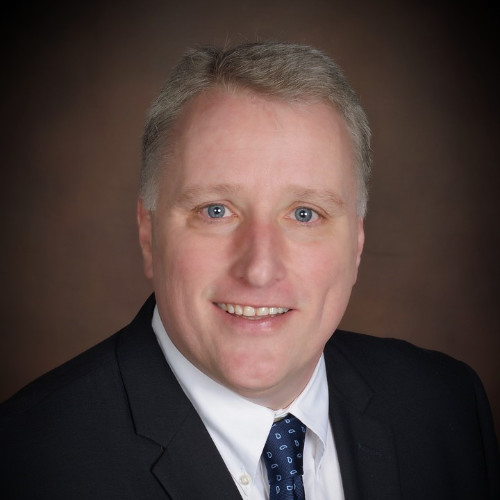
In our main episode, we talked about how due diligence is evolving some of the risks buyers need to consider when acquiring businesses. For this bonus episode, I wanted to get a more practical what do buyers tend to worry about and what should they actually be looking for? Joining me today is Andrew Sweetman, M&A Service Line Director for from NTA UK.
00:00:25:09 - 00:00:34:20
Andrew, when you brought into a transaction, where do buyers typically focus their attention and where do you think they sometimes miss the bigger picture?
00:00:34:22 - 00:01:06:19
Buys? Buyers generally focus on the on the visible risks. They're easy to understand here. You contaminated land permits enforcement actions there. They're all important. But I think the biggest story is often what sits behind those. And that's the management culture. How strong is management? Oversight is is integrated into operational decision making. Does the organization identify problems or are issues only discovered when when something goes wrong?
00:01:06:19 - 00:01:35:02
And I think those factors can tell you much more about future risk, than than an individual compliance finding. Right. Great. So when you think about when buyers think about environmental risk, they often think about the classic issues contempt, you know, the legacy liability, etc.. You know, leaking fuel tanks, contaminated land, the obvious regulatory breaches. That's the that's what historically we've we've focused on.
00:01:35:02 - 00:02:01:06
But what are the some of what are some of the less obvious environmental risks that buyers should be looking for. What what are you seeing nowadays? I think the first one that comes to mind is, is related to contaminated land, but it's it's contaminated land like legacy liabilities that haven't materialized yet. In particular at previously exited sites, or even sites, maybe they never even operated.
00:02:01:06 - 00:02:28:23
We had a, a multinational target that we, that we assessed, last year, and they ended up being liable for waste that they had created, that contaminated a site that they never operated this waste disposal site. They they dispose their waste in line with the law to a company that has since disappeared. It's been determined that they were the main, producer of this waste.
00:02:28:23 - 00:02:53:12
And so the liability for a site they've never operated has ended up sitting with them multi millions. It's a very contaminated sites. That, that sort of thing is very, very, disguised deep in potentially organizational, kind of history. And you often have to work with lawyers quite, quite, in quite integrated way to, to tease out those sort of risks.
00:02:53:12 - 00:03:20:12
So I think those sort of less obvious historical like land liabilities and are, are a big one that people miss and another one in the same sort of area. It I suppose this has been my answer, this sort of question, for a few years now. Maybe it's less of a, it's less of a less obvious one, but that's things like an emergency emerge there, start that again if I can.
00:03:20:14 - 00:03:46:03
And that's emerging contaminants such as PFAS and expectations regulations. They're they're kind of rapidly evolving. And we don't know what the future standards are going to, are going to look like. And in particular, I find that, you know, a lot of the times we we base our risk assessment on contamination on an existing body of knowledge, previous investigations that have been done at a site.
00:03:46:07 - 00:04:15:17
Now, those very rarely have included PFAS assessments. And so you might have a site that has multiple investigations that say it's it's clean as a whistle. But actually they never looked at some of these emergency contaminants. And so you just don't know. Then I think the third one is, is maybe climate and water related risks. They can really affect future operations, rather than necessarily creating immediate liabilities.
00:04:15:19 - 00:04:39:16
Data centers, the obvious thing, with their heat shedding and water requirements associated with that. And but as we said in the main episode, look at the the leisure industry, they can be disproportionately affected by by flooding, by sea level rise, by droughts. So they are starting to materially affect the price of assets in that, in that sector.
00:04:39:22 - 00:05:09:20
So, you know, it's not necessarily things that are facing value today where they might affect the value in, in in a few years time. Yeah. Yeah. Interesting. Let's, let's, let's move on to another thought. And this is, it's this, this idea of culture, you know, this issue that that's I think is much harder to capture in through diligence is this idea of, of ease and culture within either the, the target or within the acquisition company that's doing the acquiring and how they mash or in many cases don't match.
00:05:09:23 - 00:05:35:13
So how important is the culture of an organization compared with the individual compliance issues? When you're taking a look at, let's say let's start with the target. When you're taking a look at a target where acquisition target, what's your thoughts there? In my mind. In my mind it's it's so much more important. You know, I'd rather by if I was in a from an environmental point of view, I'd rather by a company with a few minor compliance issues, but with a strong E.
00:05:35:14 - 00:06:02:01
S culture than a company with a with a perfect compliance record and a weak culture, because they probably got second place record either through luck or through poor measurement. And, you know, a minor permit breach is easily corrected. But a poor safety culture is is years of work to, to fix potentially. You know, culture tells you where you unlikely to be in five years.
00:06:02:01 - 00:06:21:04
And that's where value lies, I think. And and I don't know about you, but I haven't found that it's, it's, it's a top down type of scenario. You can have, you can have all the great thoughts and values at that C-suite level. But if it's not being communicated down to the plant floor, it means nothing. And a lot of times that's where we see that gap.
00:06:21:05 - 00:06:46:17
Right? Is it is it is is that communication and and taking the ideals and the values of that C-suite. And does it actually being is it actually come to life on, on the, on the plant floor? In many cases it's not. So it's usually comes down to the, the g of of of G. Yeah. How is that, how is the ownership for those issues being pushed down from, from the people ultimately responsible in the C-suite, down to the people at site level?
00:06:46:18 - 00:07:09:05
How are they aligning motivations and, and, and that type of thing? I think that's very important and sometimes forgotten. You know, it's kind of on that same vein. You know, we talked a little bit about who actually is responsible for each s and whether or not they're competent, managed, competent to manage it. You can tell a lot about an organization.
00:07:09:05 - 00:07:28:00
By that I mean, one of the things I know that we were constantly asked to do, Andi and I think in your perspective to is is taking a look at the competency of the function of a target, you know, and truly being able to say, are they qualified to do this work or not? Or in many cases, are they wearing a hat?
00:07:28:02 - 00:07:46:11
You know, they're an operation person, and then they wear the health and safety hat as well. And that's kind of secondary to what they're doing. Do you spend a lot of time from your perspective trying to, to try to determine their level of competency moving forward so that, that all parties can understand, best understand that? Yeah, absolutely.
00:07:46:11 - 00:08:13:16
I think it's really important to, to look the people who are responsible for it in the eyes, in these when we're doing due diligence in the M&A space, even if we've generally got the answers we need from a desk space perspective, you know, in the data room through site and that sort of thing, I tend to try and push for a for some sort of workshop, even if it's only an hour with, with management, just so we can talk them through it and see how confident they are in their answers.
00:08:13:17 - 00:08:39:13
Do they have to defer to people who aren't on the call? Do they know their responsibilities in the space? And I think that can that can either give you or take away a lot of confidence in the the sort of findings you found elsewhere in the assessment. The paperwork can tell you certain amount of things, but I think talking directly to the people who own it is important.
00:08:39:15 - 00:09:03:17
You know, you mentioned, you know, those workshops either with like the CEOs and the upper management and so forth. And usually there's a couple tells, right, as to whether or not the culture is there and the chess function is working the way it should. But when you're, when you're, when you're sitting with them, what's that one thing that you look to, to look for to better understand whether or not the that that's leadership, that's culture is actually working.
00:09:03:19 - 00:09:38:16
It is difficult, but it tends to be around almost enthusiasm for the topic. I think a lot of CEOs, they view the chess issues as, as just, just a problem that somebody else deals with on their behalf, rather than particularly on the health and safety side being called to how the business does does what it does. And so you want you want to be able to be talking to them and for them to, you know, talk for a few minutes on the topic rather than defer to their ops manager or, or even more junior on the details.
00:09:38:18 - 00:10:00:21
Yeah. How that how how vested are they into that process? And is it really, truly part of what they their DNA as well that deals a long way I agree. So let's one one piece of advice. So if you were to give a piece of one piece of advice to a buyer before they start a need just due diligence process, what would it be?
Ep8 BONUS transcript
00:10:00:23 - 00:10:26:23
So I think it would be don't treat HS due diligence as a as a downside assessment exercise. Use it as an as as an opportunity to understand how the business operates. How mature is it? Are its systems does management respond to issues proactively? And I think a lot of that can, can really feed into where value can be lost and created after acquisition.
00:10:26:23 - 00:11:00:24
So I think, you know, the best due diligence doesn't just float in fire risk. It really helps buyers understand what they're buying. Agreed. Agreed. Andrew, thanks for joining me. For for for. For more on the broader role of S and M&A, make sure you listen to the full episode of rethinking E! S Global Goals. Local Delivery. As we celebrate 25 years of the Internet Alliance, this series reflects what makes our network unique global collaboration, local expertise, and a shared commitment to accelerating a resilient planet and safer workplaces for all.
00:11:01:01 - 00:11:21:05
If you found today's conversation valuable, follow the series and share it with colleagues across your organization and professional network. You can also connect with us on our website, follow us on LinkedIn and subscribe on YouTube or wherever you get your podcasts. Until next time, thank you for listening and for being part of the global community working to turn knowledge into action.