



Laura Kirkvold
Antea Group - USA
Laura is a consultant at Antea Group USA with 10+ years of sustainability and consulting experience supporting leading global companies with reporting and disclosure, strategic program development and management, and responsible supply chain practices. She facilitates multi-stakeholder engagement driving for circularity in the healthcare plastics industry through her work with the Healthcare Plastics Recycling Council, and she leads the Sustainability Working Group for the Inogen Alliance. Laura started her career in supply chain and corporate retail and has an educational background in environmental policy and management and international studies with degrees from the University of Wisconsin-Madison and Lund University in Sweden.
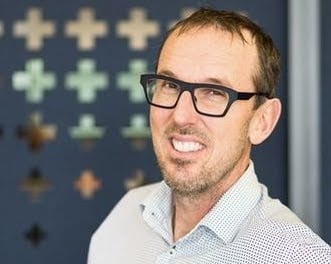
James Hughes
James has a 20-year career in the infrastructure and environmental sectors and leads Tonkin + Taylor’s climate change and resilience advisory practice. His career to date has also spanned work within infrastructure planning and design, risk management, and sustainability. James led the ‘Built Environment’ domain of New Zealand’s first National Climate Change Risk Assessment and was part of the Ministry for Environment’s Climate Change Adaptation Technical Working Group. He has been part of the Deep South Science Challenge, and in 2021, he led the development of the Ministry for Environment’s ‘Guide to local climate change risk assessments.’ He has been involved with many climate change risk assessments, scenario planning projects, and climate-related disclosures for the public and private sector and is passionate about building robust and transparent approaches to underpin these.









Why a Corporate Climate Strategy is Essential for Future Business Success
Businesses across the globe are facing increasing pressure to build a thorough corporate climate strategy to manage...

Why Water Risk Can’t Be an Afterthought in Climate Resilience
Climate change and water stress are deeply intertwined. Rising global temperatures are intensifying droughts...