00:00:00:02 - 00:00:09:01
Hello and welcome to season three of rethinking EHS Global Goals and Local Delivery, brought to you by Indigent Alliance. Today we are talking about risk management.
00:00:09:03 - 00:00:24:24
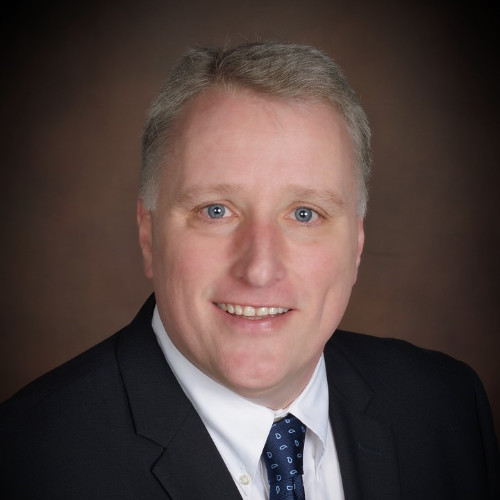
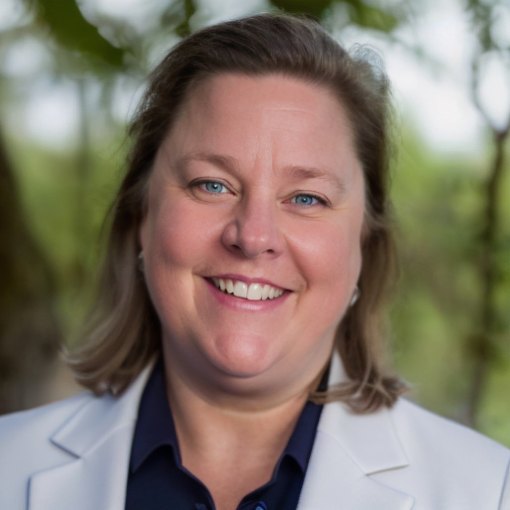
I'm Keith Knoke, executive Vice president and into USA and chair of the board for the Inogen Alliance. And today we'll be talking to Alizabeth Smith, senior consultant at Antea Group USA. When we talk about risk management, we often think about hazard controls and compliance, all the basic stuff.
00:00:24:24 - 00:00:33:07
But in practice, some of the most significant risk organizations face are cultural, and they often are invisible until something goes wrong.
00:00:33:09 - 00:00:50:10
I think I think there's a couple of different ways to talk about that. One is, is that, you know, we know and I can think of a great case example where we worked with a, you know, a large multinational company. They came to us because their incident rates were just continuing to go up. And but they had all the bells and whistles.
00:00:50:10 - 00:01:06:04
They had programs, they had training, they were doing audits, they had done everything. And we sort of sat back and started talking to a couple of people. You know, we did some interviews of their key stakeholders, and we started to notice there was a shift in how people talked about health and safety and environmental health and safety in particular.
00:01:06:04 - 00:01:25:12
And we realized the risk that they hadn't controlled, the risk they hadn't looked at was cultural. And so for them in particular, because this is a company that had had a fatality, we actually even experienced the alliance. We went out and looked at a couple of the facilities where we were seeing these numbers, trying to see if there was a trend, this seasonality taking into it.
00:01:25:13 - 00:01:43:20
And our our partner was there with their manager, just like, yeah, I'm really uncomfortable on this crosswalk. Like, it really doesn't look like it's in great condition. And he goes, oh, no one's died here. And she's like, well, no, someone did die here. Oh, that's just a contractor. She's like, I'm out. I was like, wait, like, there it was.
00:01:43:21 - 00:02:02:05
You know, it was it was a total misfire. You know, all the policies and documents and everything looked beautiful. Those the misfire, the culture of the importance that it applied to not just their employees, but to their contractors, to their visitors, to the child that's walking in front of their factory in the morning. Right. And I think that was that moment for them where we really set down.
00:02:02:05 - 00:02:20:21
We did a cultural survey with them and found that, you know, their team was not giving them great information going up the up the channels because they didn't have trust. They didn't feel that, you know, that, you know, these things are being rolled out. They didn't really understand what everybody was doing. And some people were doing their own thing in Mexico and a different thing and pull in a different.
00:02:20:22 - 00:02:46:10
And they all knew that because they, you know, we're communicating even down to not having the ability to communicate on the shop floor. Like there was no computer kiosk. You couldn't use your cell phone. That sense of lack of trust in the employees. And so that was a great example that, you know, everything was perfect. Other examples are when you get these major companies right and the left hand and the right hand really don't know what each other are doing.
00:02:46:12 - 00:03:10:05
That's about communication. Part of that is about trying to be sparkly in a large organization. Right. You're trying to make your mark. And a lot of times, young chess managers might be like, I see this thing, I've got to fix it. And they're fixing it in a silo and not in a very collaborative way. And we'll run into sort of that same thing where, you know, really smart people doing really great things, but not realizing that someone's already working that on that over there.
00:03:10:05 - 00:03:26:11
If they could all just give them in the room. We might be able to make a change that's really significant for the organization. And I think that's where our role as consultants are. A lot of times we see it before they see it and we're like, hey, did you know there's nothing else to this to be like, hey, let's get you guys together.
00:03:26:12 - 00:03:44:07
Because what's happened is that you were so large, you're unable to communicate effectively. And in that lack of communication, it filters down into the culture because everyone gets. It'll change in a minute. Don't worry. Like if you don't deal with that, they'll. The new guy will come in six months. It'll be a new program. We don't, you know.
00:03:44:08 - 00:03:55:15
And that's not what you want. You want to have consistency. You want to have have that ability to to keep that risk top of mind and all those controls in
00:03:55:17 - 00:04:20:03
So when you think about I know you've done a number of these, these cultural assessments and cultural health and health and safety assessments within organizations and from some really simple shops to some complex, high risk type of organizations. I'm curious, are you. What's what is the most common challenge to creating a robust health and safety culture? What would you say that is?
00:04:20:05 - 00:04:40:20
your risk. And I break it down this way with a lot of clients. You know, they're usually like, oh we've got risk assessments. But you know, having a risk register, which, you know, we all talk about legal registers, but the idea of having a total risk register that you really do sort of compile your risk assessments from across the globe and really look, use that as your basis and then adding columns.
00:04:40:21 - 00:04:59:22
Do you know what are the regulations in these five different countries? What is my control? Is my control in all the right languages. How often do I push that control. And so I think understanding your global risk and not just rely on individual documents, but compiling it together is a huge strength tool for a regional or a global manager.
00:04:59:22 - 00:05:22:15
And it gives you the position to not only deal with the risk that you need to control, but to give you position as to why it's important for funding, why it's important to do different things. So that's a structural issue. And then there's the social issue. We're just talking about most people. If you think about onboarding an employee 40 hours of training, how much of that do you really think that they got in that moment.
00:05:22:16 - 00:05:41:12
And so if I've got risks that are important that they need to make sure I hit that note, I need to really work with an adult educator and with my training coordinator and span some of that out so that people are given time to they just and process that. And that makes a difference in the culture. Because now then when you rush through that, you're assume that you're ready, fit for purpose.
00:05:41:16 - 00:06:09:00
Out you go. Maybe someone's going to tell you exactly how to work your particular machine. But there's a lot of things that need to questions that are going to percolate up that didn't get answered in that first week of training. And I think there's a lot of art out there right now and a lot of discussion about retraining, keeping things top of mind, you know, so micro training is a very trendy topic, even using AI avatars like bring things in, bringing wearables into the mix, right?
00:06:09:02 - 00:06:30:08
Which is giving some data. Sometimes it can be a little charge. Some of that data is very, you know, in Europe with the CCTV and they're watching, you know, what you're doing. Other other wearables are sort of really interesting. These baseball hats are tracking fatigue and heat of the employees. So they also in their hats gives a signal and their manager knows that they need to come off the line.
00:06:30:08 - 00:06:53:24
They're too hot. They're starting to get tired. They're seeing their respiration go up. But we're all that goes. Those are all the different ways that we can show we care to our employees by keeping things top of mind, by keeping messages. Visual safety is a great example to you. I'm going to make sure you know what you to do, not because I want to sort of push my responsibility off to you, but I want to make sure that you've got the cues.
00:06:53:24 - 00:07:11:18
When that moment of question comes up, something around you is going to help you make the right choice in the workplace. And I think that, to me is a sign of culture, is a sign of how much willing because they're expensive options. They're not just, you know, put a training package together, you know, put it out once a year.
00:07:11:19 - 00:07:27:14
These are things where we're going to repeat that training. We're going to have little nuggets come out because we're going to keep focusing about safety and keep our employees engaged. And our we want our leaders in there right there doing Jimbo walks and things of that nature. So all that takes time and resources.
00:07:27:19 - 00:07:51:00
Yeah I've got a I'm going to throw a loaded question at you if I, if I can. And I know you and I have dealt with this one in the past and it continues to pop its ugly head up every now and then. And it's really talking about what increases risk and what decreases risk. And, and we're seeing and I've seen recently almost an uptick in executive incentives for health and safety performance.
00:07:51:05 - 00:08:16:17
Financial. Right. So if you do well from a health and safety perspective that that has a that has a good effect, I guess you could say on your compensation package, right. Which tends to to what I would what we've seen and I would curious on your thoughts if you would agree with me on this underreporting some behavior that's not necessarily not necessarily a good thing.
00:08:16:17 - 00:08:36:00
So what are you seeing? I mean, because we're seeing more of it, I don't think I don't think we're it's because our, you know, some organizations they that's how they incentivize people to perform better. And and in this case health and safety is that perspective. But it also lends itself to trying to find quicker and easier ways. And sometimes it just doesn't.
00:08:36:01 - 00:08:52:15
That isn't the best way. So are you have you have a are you seeing a continue uptick in or a continual use of incentives, executive level incentives and be have you seen an instance where it actually works? And if so, how?
00:08:52:17 - 00:09:10:13
for the senior leadership. I mean I think that's just a growing trend that it's now being called out, you know, about health and safety. Seeing the trend where regain some funky math. We're and I think the thing that's interesting to me is that in many cases, the supply chain goes through Europe, and Europe does have ESG requirements.
00:09:10:13 - 00:09:39:08
And, you know, we talk about health and safety, but environmental requirements, also the health and safety in particular, I share those table stakes as clever as likes to say a lot for ESG. So that data that they are now generating is actually what the financial auditors are auditing. So to a certain extent, some of that behavior of sort of, you know, cooking the books, if you will, is diminishing over time and that people are having to be a little bit more, you know, robust and how their data is, and they're getting called for it.
00:09:39:09 - 00:09:58:05
Right. So I mean, I think that's that's the bigger thing. I think when we look at, you know, in particular, there's been a number of clients we looked at that really put time and effort to think about their culture. What data do they already have? They didn't want to be the wheel. They knew their systems they had. They were using that data.
00:09:58:06 - 00:10:14:12
They used that as part of their incentive. And they talked about what they wanted to see out of the data. It wasn't, oh, we want to see a 10% improvement year over year. They actually the first year, they're just like, we're going to collect this data. We're hoping to see a positive sign of growth. And they didn't define it intentionally next year.
00:10:14:13 - 00:10:23:17
Growth means we expect a year over year improvement. But they went after the leading indicators, not the lagging
00:10:23:19 - 00:10:49:10
Okay.
00:10:49:12 - 00:11:18:02
Yeah.
00:11:18:04 - 00:11:44:01
So they measure the leading indicators right. But not let the lagging indicator speak for themselves as the as the ROI on those leading indicators. Right. Yeah. They're not going to. That's interesting. That's really interesting. I'm kind of circle back to this concept of leadership again. And yeah, you have a case study that involves a large multi division glass manufacturer.
00:11:44:03 - 00:12:04:24
They had they had all the right things. Right. The strong programs they had the the procedures in place. Everything probably top notch for remember correctly right. They were they were world class in some of the programs and things that they had in place. They they did, they did. And yet they were still having significant injuries and incense. Right.
00:12:05:00 - 00:12:22:18
And so how did they do that? How did they shift from that compliance culture to more of a culture of of or how how did they turn that ship around? What what what did they do?
00:12:22:20 - 00:12:26:02
Right?
00:12:26:04 - 00:12:32:10
So when we looked at it, this was a a company that was in one country that started buying assets in other countries.
00:12:32:10 - 00:12:51:18
So each of these little companies they had bought had their own culture of their own, and they didn't really trust who bought them. So that's part of it. But then too, when we went to go look at how the reported themselves out to the world, the thing that was missing was health and safety. So they talked about how many widgets we made and how we downloaded this.
00:12:51:20 - 00:13:15:01
Or in this case is glass. You know how much our price was, how many new customers we had. They didn't talk about the people that actually were the engine by hand, which that all that was possible. And so they put the incentive on speed and reduction in cost. Speed and reduction cost doesn't necessarily mean health and safety or environmental parameters are being followed, even though they have it all in the books.
00:13:15:02 - 00:13:36:23
And I think that was a great example that we had to sit back and did that cultural survey and had two recommendations. One is you got to train your managers. They have to be walking, you know, that role. They need to have their PPE when they walk through by the furnace.
00:13:37:00 - 00:13:48:05
Yeah.
00:13:48:07 - 00:14:46:24
And.
00:14:47:00 - 00:14:49:06
Yeah, it is.
00:14:49:08 - 00:15:04:17
So I think there was there were some realignments and there was some retraining. The thing that's interesting about that company is that after they work really hard on their culture and started to turn things around, they decided they didn't want to bring in outside new managers like some people had aged out, were retiring.
00:15:04:18 - 00:15:26:01
They actually set up an internal chess management program training program. So we actually helped them then train their next generation about what it was to be a good chess manager, because they felt that they, you know, they are a very specific industry. They had very specific risks. It's hard to bring someone out who like, maybe we're from well and gas had no understanding of what they were doing.
00:15:26:03 - 00:15:33:05
And so this way they were guaranteed to then perpetuate a better leadership team as they went forward.
00:15:33:07 - 00:15:51:16
Yeah. Interesting. Yeah. That kind of that's university concept that we've seen some of our clients do in now a days. This is this has been great, Elizabeth. And I think you and I could probably go on for another couple hours on this one. We probably will, but so but thank you for, for, for spending some time with us today.
00:15:51:16 - 00:16:20:15
So I, I just want to say again, thank you for joining us for this bonus episode of season three, Rethinking Ace Global Goals local Delivery. As we celebrate 25 years of the Indian Alliance, this series is a reflection of what makes our network unique global collaboration, local expertise, and a shared commitment. Accelerating Resilient planet for all. If you found today's conversation valuable, be sure to follow the series and share it with colleagues across your organization and network.
00:16:20:18 - 00:16:41:19
Find us on our website and on LinkedIn. Follow us on YouTube or wherever you get your podcasts. Until next time, thank you for listening and for being part of the global community, working to turn knowledge into action.