Ep4 Transcript
00:00:00:04 - 00:00:26:23
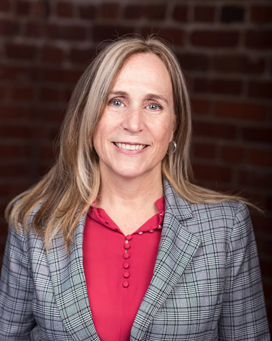
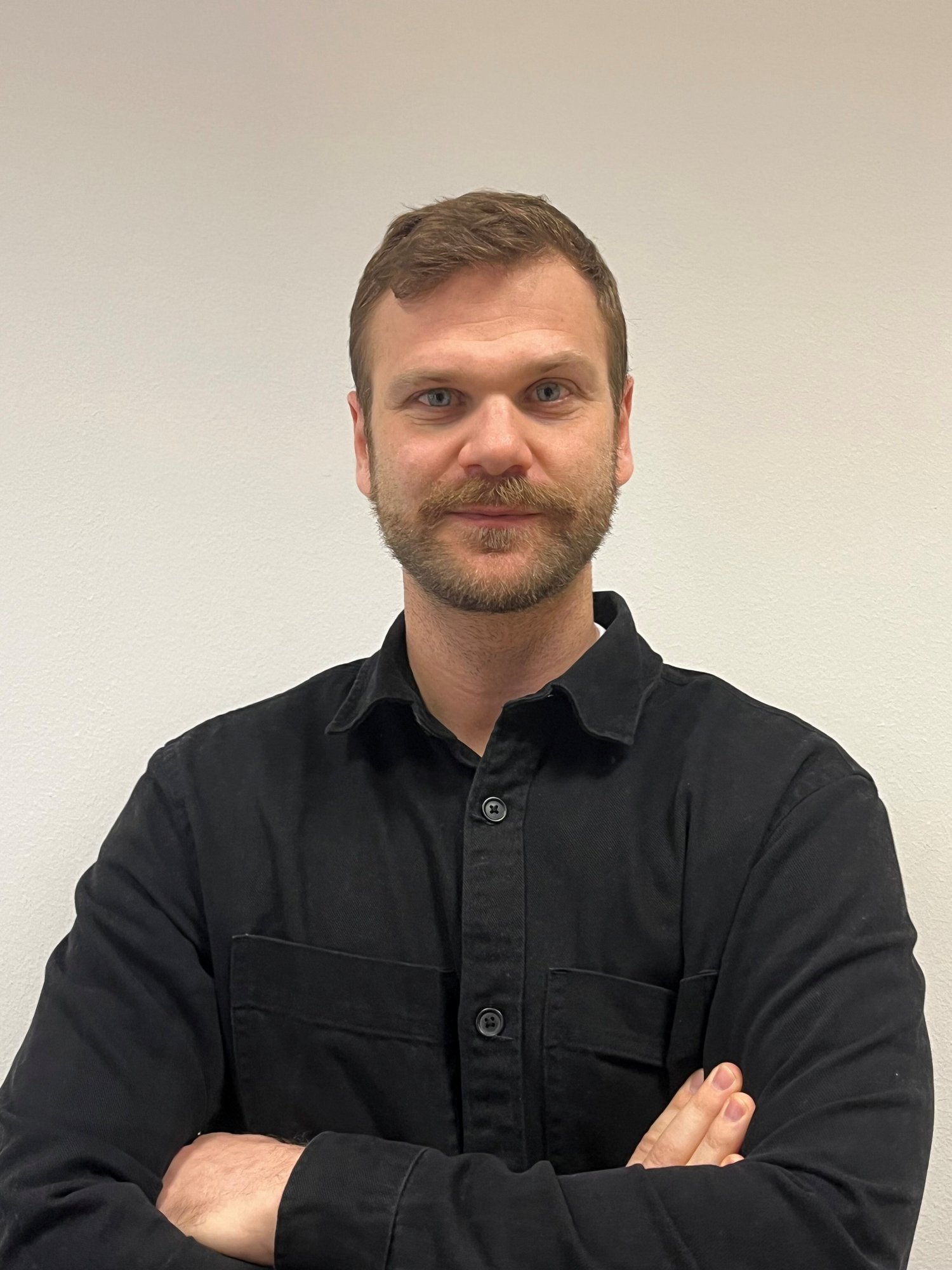
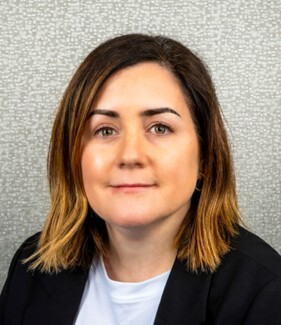
Hello and welcome to the Indian Alliance series, where we're celebrating 25 years of global collaboration, local expertise and a shared commitment to accelerating a resilient planet for all. I'm Charlotte Bethany, chess practice director at Antioch Group UK and a member of the Indian Alliance leadership team. Today I'm joined by Alessandro Intel, environmental project manager at HPC Italy, and Julie Krieger King, technology segment leader and terror Group USA.
00:00:27:00 - 00:00:49:19
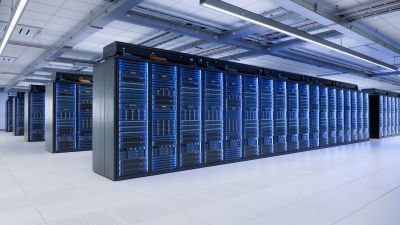
In this episode, we're turning our focus to data centers, a sector that's growing at an extraordinary pace as demand for digital infrastructure continues to surge worldwide. While data centers are becoming critical to how we live and work today, they also present a unique and evolving set of environmental, health and safety challenges. What makes this industry particularly interesting is just how new it is.
00:00:49:21 - 00:01:01:13
We're seeing rapid expansion, constant innovation, and at the same time, a real need for practices to mature, adapt and keep pace. Julie. Alessandra, it's great to have you both here.
00:01:01:16 - 00:01:10:11
Data centers are expanding rapidly across the globe. Perhaps I'll start with you, Julie. From your perspective, what do you think is driving that growth right now?
00:01:10:13 - 00:01:35:18
I would say that if we step back just a moment, we can think about the fact that everything was moving to the cloud pre-COVID. And then Covid really accelerated that movement. And since that time in late 2022, when OpenAI opened their doors, that accelerated dramatically. And now we're at a situation where the supply just is struggling to keep up with the demand as it relates to the AI innovation and all of the needs that are out there right now.
00:01:35:20 - 00:01:40:21
Alessandra, are you seeing something similar in Europe?
00:01:40:23 - 00:02:18:18
Everything we do have a digital footprint, streaming, scrolling and of course, artificial intelligence. We have to remember, have and have to have a digital have to have a physical home. Actually data is the new essential units. And this is what I see during my during my job. What we have to remember is that the cloud is actually made of steel, concrete and a lot of cool in system.
00:02:18:19 - 00:02:20:24
So this is
00:02:21:01 - 00:02:31:09
Okay. So sticking with you, Alessandra. We're hearing a lot about hubs such as Milan. Can you give us a sense of what's happening in Italy and why it's becoming such a key location?
00:02:31:11 - 00:03:20:18
Actually is an incredibly exciting timing for for Italy. For a long time, data centers word in Europe was dominated by the flat cities, that is, Frankfurt, London, Amsterdam and Paris. But those markets are getting crowded, running out of power and space. Cities in located in the center of the material Mediterranean. As Milan, Madrid and Lisbon are now crucial for the development of this market, mainly because mainly because those city are already meant with electric grids and are full of former industrial sites, most of them abandoned.
00:03:20:20 - 00:03:51:13
In addition, on February 2026, Italian government approved a new law identify finally the data center as a strategic infrastructure for Italy. This is crucial because now the role of an environmental consultant and the role of a developer is really easier because with a single request of authorization, you can ask all the different reason you have to ask to different authority in the past.
00:03:51:13 - 00:04:12:17
So now it is really easier. And in addition, the authority and the stakeholders involved in this request have a time frame, a really definitive time frame for give you a feedback. That is, if the documents are perfect, it's a month really short period.
00:04:12:19 - 00:04:25:06
To me, like, the regulators are starting to sort of catch up with this evolving industry. And Julia keen to hear from a US technology sector perspective, how does that compare?
00:04:25:08 - 00:04:49:19
right now, I mean, certainly the one thing that's unique is just both the scale and the concentration of data centers is is pretty significant. And there we going back to the question about the kind of the hubs, we certainly have key hubs. So there's a significant concentration of data centers in Northern Virginia. We also see that in many different states, they tend to be these concentrations of data center.
00:04:49:19 - 00:05:16:08
And some of that's due to the availability of, of power and and space and water in many cases. But I would say that, you know, in terms of the regulatory environment, they're really there, really because of the nature of how the US is so dispersed, we aren't really seeing any coming together of any regulatory requirements. The regulatory requirements that do apply are very much at a local level.
00:05:16:08 - 00:05:42:11
So they are very there's a lot of differences, right. So in each different state you can have a lot of different requirements as it relates to particularly deciding and kind of getting things up and running. I would say on the back end when you start talking about the operational side, there really isn't any unique regulatory requirements. It's just continuing to use the existing
00:05:42:13 - 00:05:51:08
So from a standpoint, why do you think this sector is becoming such a critical focus area?
00:05:51:10 - 00:05:54:24
that.
00:05:55:01 - 00:06:19:04
Some of it just isn't a level of risk. I mean, so so, you know, traditionally many of these hyperscalers came from pretty low risk environments. And now all of a sudden, you know, they've got these data centers that have changed all of that, and they've got companies where they've got heavy electrical systems, complex mechanical infrastructure, huge, massive, massive construction projects.
00:06:19:05 - 00:06:41:22
And so all of those risks that there were in the past are I mean, those things are still exist, but this is a whole new level. So, you know, given technology companies visibility and their reputational risks, etc., you know, they recognize very early on that they needed to take some action to begin to mitigate the risk. So despite the fact that there may not be regulatory requirements, many of these hyperscalers have begun.
00:06:41:23 - 00:06:57:01
I would say they've started even, you know, really. Right. Probably right around that 2020 Covid time to really accelerate and recognize the risk and begin to try to take measures to mitigate those risks. So I think that's probably a big part of it.
00:06:57:03 - 00:07:09:12
And is that similar to what you're seeing in Italy, Alessandra, and in Europe, in terms of the sector becoming such a critical focus area from an environmental or a health and safety perspective?
00:07:09:14 - 00:07:49:12
Is a critical and everything is looking to to us in order to understand which are the main impacted process of this type of buildings, and also the company try to understand which are the risk for in cells and in Europe. I think we are trying to create standards in order to better understand how we can compare all these new buildings with the old form we have for, for,
00:07:49:14 - 00:08:08:09
I think one of the things that really stands out about data centers is, as we've discussed, it's still a relatively young industry, but it's scaling incredibly fast. I begin to hear from you, Julie, as you've worked in chess across the tech sector for over 25 years, how mature does safety feel in the data center space today?
00:08:08:11 - 00:08:32:24
It's a good question. I think I would say that there is a lot of variability in that question because you have like I mentioned, you have these hyperscalers who have really you know, they've been doing this now for a while. So they have some pretty sophisticated programs. There's they really clearly understand the risks. They have good procedures and processes and approaches to manage those risks.
00:08:32:24 - 00:09:00:22
But because of such a booming space, there are many, many new entrance to the market constantly. And so we find a lot of these newer entrants are just trying to kind of catch up and figure things out. I think the other big piece of it, in terms of the maturity, is also related to the, again, the the fact that it is a multi-employer workspace and that creates some additional complexity.
00:09:00:22 - 00:09:27:17
And so even though you may have one part, like maybe the hyperscalers or even a general contractor or whatever, that is quite sophisticated as you are looking at those lower tier providers and suppliers and whatnot, you can find that there are some, again, that have the variability there in terms of their their maturity as in terms related to the safety components and the environmental knowledge.
00:09:27:19 - 00:09:43:07
And I think in terms of managing safety in an industry that's growing so rapidly versus a more established industry. Have you observed a different approach in terms of how some of these companies are looking at their health and safety programs?
00:09:43:09 - 00:09:46:17
I would say that.
00:09:46:19 - 00:10:10:24
You know, I think, you know, so much of safety is pretty fundamental. So a lot of it does go back to some basic fundamentals. I think, again, these companies are getting very clear on what their risks are, what the risks that they have are in terms of do they have adequate systems. And I think really it comes back to have they begun to develop management systems.
00:10:10:24 - 00:10:34:22
And often it's a struggle because they are there's a this need for speed and nimbleness. And and those are those contrast. Right. So so you have this on one hand this real need to be nimble and be speedy and be responsive and keep things moving forward. And you know, lightning speed. And then on the other hand it's like wait time out.
00:10:34:23 - 00:11:05:20
We need to put some systems in place. We need to put some procedures in place. And so those are kind of there's a conflict there. So so we see that that's that tends to be a big part of the challenge I think as we look forward, you know certainly those fundamentals is where companies need to go back to is management systems in some way shape or form so that they can have some consistency as they are looking to manage this across their all of the risks, as well as across all of the employers that are within those spaces.
00:11:05:22 - 00:11:28:17
Absolutely. It sounds to me like you're saying it's a real back to basics and then building building from there. I think certainly, you know, in my involvement with with the tech sector and data centers in Europe, I've noticed the industry is still evolving, new technologies, new ways of operating is still being introduced. So that continues to evolve the risk landscape.
00:11:28:19 - 00:11:51:22
definitely. I mean, some of those newer things in terms of the the cooling systems and, and as the systems and I'm talking about like the actual hardware that sits within those data halls as that evolves, you know, it's a very fundamental level of that evolution. And so that those little changes that those manufacturers are making, then that impacts what are the demands in terms of the infrastructure that's required for those spaces?
00:11:51:23 - 00:12:21:05
So even though you may have put in good solid processes and procedures, there's now new introduction of new technologies that now you need to reinvent and revisit. And that continual improvement becomes super critical as we look to the the new the new ways that they're coming about it. And then the other thing I would say is beyond the the cooling, there's also a lot of stuff as it relates to the electrical systems, particularly in the US, because of the, the, the power demands and the lack of power.
00:12:21:05 - 00:12:46:01
And I'm not 100% sure how that looks in in Europe, but I would say in the US at least, we are certainly seeing that there are revisiting things for like onsite power, power generation and and those are some, you know, again, things that these types of companies like hyperscalers and they aren't accustomed to. So now it's another risk that they're introducing into their portfolio of doing onsite power generation.
00:12:46:01 - 00:12:51:21
And so beginning to need to understand those risks it becomes a whole new a whole new
00:12:51:23 - 00:13:02:17
Sounds like it's constantly evolving. And Alejandro are using similar challenges from a project and development perspective in Europe.
00:13:02:19 - 00:13:32:21
Think is the crucial words here. Have you seen this moving so fast? And the companies needs all the feedback in a really short, short period as developing all the safety safety process in a data center. Also develop and understand all the risks connected with an operating system like that is the really challenge for us.
00:13:32:23 - 00:14:01:07
In crucial aspects that we will see, probably either in this podcast, like noise or pollutions or general pollutions are crucial for us and try to understand which can be the impact of that are not so, not so simple also because in Europe and Italy. Of course we have a huge industrial history, but those plants are new and you need to understand everything before the building.
00:14:01:09 - 00:14:03:13
The building structure.
00:14:03:15 - 00:14:27:10
thing that I think is interesting I forgot about was the supply chain, the demand for this, because this is growing so rapidly. There is such a huge demand for equipment to go into these data centers. And what we're seeing is that that demand the equipment manufacturers, there's they're kind of struggling to keep up in many cases.
00:14:27:10 - 00:15:02:23
And that is introducing some some quality challenges for them. And when those things get on site, you know how it is. Quality issues can very rapidly turn into safety issues. And and we we we that's something that I think many of the hyperscalers are keeping a close eye on. Is, is ensuring that how can they make sure that the stuff that they get on site is being well installed and being and then also as they look to commission and actually power things on, what are they doing to even mitigate the risks of inequality, potential quality issues.
00:15:02:24 - 00:15:06:12
Right. So, so there's a lot of different elements to that piece as well.
00:15:06:14 - 00:15:24:12
Yeah, that's really interesting. And I think it just shows how environmental challenges and risks associated with merely the development. And then you've got the supply chain and the potential quality issues and operationally the the safety and potentially more environmental issues. So it's a really all all linked together.
00:15:24:18 - 00:15:44:06
If you think about the quality process, the quality process that for choosing and equipment, you have to think about the safety and all the quality, quality aspect, but also the resistance, the resistance aspect. As for the environment, resistance, resistance or.
00:15:44:08 - 00:15:55:08
All the competing process. So you have to think about all the aspects of the of a product that installing.
00:15:55:10 - 00:16:06:11
In your role as an environmental professional. You're closely involved in the development side of data centers, particularly in Italy. Can you maybe talk about some of the key trends that you're seeing, especially around hubs like Milan?
00:16:06:13 - 00:16:58:23
The biggest trend right now I think is the recycling. In the past, a developers prefer a notable open site, a greenfield, for example, which is basically a no risk error because no one puts pollutants in that. Actually, with the lack lack of of space and all the benefit that you can have from the government using a former industrial site like a brownfield, a lot of developers prefer and choose to to use those type of site for the for development of data centers that the center.
00:16:59:00 - 00:17:40:03
Another aspect the pizza markets the fastest as fast as you can start to demolish a site and have all the authorization you need is crucial in this new in this new sector. This is why the biggest trend is for my job that you don't have just to identify a risk, but you have identified and the risking in in the first moment you you try to study site.
00:17:40:05 - 00:17:57:22
So I hear you saying that you're seeing a trend around the use of existing or brownfield sites for data center construction. So from an environmental perspective, does this add any additional complexities from an environment or a risk perspective?
00:17:57:24 - 00:18:06:13
From one hand, you are doing something great using a ready developed site,
00:18:06:17 - 00:18:27:03
of course, but on the other hand, you expose it to risks. If you think about the history of Milan, if you took an industrial, a former industrial site, we have 15 years of college and potentially on that era, and you have to think about that.
00:18:27:03 - 00:18:31:20
You have to investigate that. And of course you have to figure out remediation process.
00:18:32:01 - 00:18:49:16
The legacy of the past for those type of site is really important. Of course, have already developed insight. As I said before, means that you have an area. It's fully equipment of an increasing electricity grid,
00:18:49:18 - 00:19:02:23
water supply and other type of energy. And that's that she needs to have for a data center. So you choose the RF for that reason, but you have the risk on that.
00:19:03:00 - 00:19:42:12
On the one. One of the other important aspects you have to think about are already developed inside is that is not just just soil underwater. It's also old buildings. Assisting on that area can have also dangerous material on the materials on that. Like if you think about lead based paint or asbestos or man made vitreous fibers, those type of materials needs a particular type of remediation or decommissioning process.
00:19:42:12 - 00:20:06:11
And on my my job, I have to think about that. So you have to figure it out. And most important, I have to avoid hiding costs for the client because of course, the remediation of this type of material have a cost, but not just in terms of money, but also time consuming. So you have to think about that before.
00:20:06:11 - 00:20:13:13
in your experience, are there any environmental or health and safety risks organizations might sometimes overlook
00:20:13:15 - 00:20:38:14
one of the things that company often overlook is the noise data center are basically a giant banks of fence and chillers working 24/7. And if you put one, one of these of these plants close to a residential area, you may face a legal action even before you open.
00:20:38:16 - 00:20:52:04
So this is a really important aspect. One other aspect that you have to think about that about is the permit timeline for full storage.
00:20:52:06 - 00:21:28:03
Generators that is crucial for data centers needs backup source of energy. That is basically a fuel storage underground overground storage tanks. And in Italy, I think in Europe and in word for install those huge thanks that are a critical aspect for the potential critical aspect for the environment. You need to have special permits, even for the environmental aspects and for the firefighting aspect, for for firefighting aspects.
00:21:28:05 - 00:21:42:22
Last is the experts of the neighborhood. If we start a data center in an area that is probably an industrial area, you have to look.
00:21:42:24 - 00:22:07:07
Out of your garden because you have to decide if your neighborhoods are critical or environmental dangerous activities. The emission of those plans can, in a certain way, ever have on your workers and on your plants.
00:22:07:09 - 00:22:35:21
Absolutely. I think as we've discussed, we're seeing very similar trends globally when it comes to data centers. And as these operators expand quickly, there's clearly a push for consistency, but also very different local realities or situations. So perhaps going to you first, Julie, from a leadership perspective, how are you seeing organizations approach creating consistency across multiple sites or regions?
00:22:35:23 - 00:22:50:01
the truth is, is that from a from an environmental health and safety perspective, I feel like there's still, you know, there's it's kind of broken up into three components. We have the citing aspects, which is Alexandros speaking very, very eloquently about in terms of those challenges. So you kind
00:22:50:01 - 00:23:01:07
of have a group that's function function that's really focused on all of the environmental, health and safety aspects tied to that siting and the original planning phase.
00:23:01:07 - 00:23:37:07
And then you end up with the group that's responsible for environmental health and safety for construction. And then you have the operational side. Sometimes I'm finding that from an organizational perspective that those are managed by the same by by the same entity within the company, sometimes depending on how large the company gets and how complicated their markets are and where they have presence, we can see that there there may be a separate person that's just focused on everything related to the construction and a whole function that's just related to the environmental, health and safety for the construction side.
00:23:37:07 - 00:24:04:11
And then a function that's responsible for the environmental health and safety for the operational side. I think between those, you know, that that handover of the the environmental health and safety elements and making sure that those are our there is a process there for that becomes an critical piece. But at the end of the day, I think, again, we go back to that need for strong management systems.
00:24:04:11 - 00:24:42:10
And you know that not you're not don't have a static policies, but rather, you know, processes that define the expectations and then manage to those expectations and systems that allow them to maintain consistency both across the across as they move across that, that kind of that, that lifecycle as well as consistency across the various sites because there can be some tremendous variability in those local regulatory requirements and the operational realities of some of these, because you also have, as we mentioned before, the the innovation component.
00:24:42:11 - 00:25:08:20
Right? So you may have older within an environmental health and safety professionals portfolio, they may have sites that are very traditional older style technology and whatnot. And then on the other end they have these extremely brand new. Totally. So even the risk profile between those things can have great variability. And that risk profile is that that translates across that whole life cycle to right from the siding to the construction.
00:25:08:21 - 00:25:16:15
So so it again goes back to that need for good consistency and solid systems, I think.
00:25:16:17 - 00:25:35:15
Absolutely, Alessandra, I'd be keen to hear your thoughts around where local expertise becomes critical, particularly when dealing with regulators or local site conditions or various stakeholders. What's been your experience there?
00:25:35:17 - 00:25:59:17
of process and transition process is crucial, not just in Italy thing. So if you know the process, if you know the authorities and the way they have to look at the document you provide is crucial for an authorization, not just the language, but all the mindset of the authorities and the person is important for this type of process.
00:25:59:17 - 00:26:12:14
So I think that a local expertise, it's the win in winning car for for a process like that.
00:26:12:16 - 00:26:30:02
I think that this is that regardless of where this is, whether it's in the US or in any wherever it is, the going back to the piece of the local regulatory requirements that they're seeing, stuff they've never seen before. Right. The regulators are seeing things they've never seen before.
00:26:30:02 - 00:27:03:12
And honestly, the chess teams are seeing things they've never seen before either because of this is new technology, new procedures. So, you know, we're kind of it's a little bit of that unchartered territory. And I do definitely agree with all this under that, you know, that merging together in early communication and engagement with the regulatory bodies can certainly aid in speeding up the permitting process and in in speeding up, you know, just exactly what the what the, the, the company they're trying to accomplish.
00:27:03:14 - 00:27:12:15
Because it's about collaboration, really. I think in trying in terms of trying to really get to the best, the best solution for everybody.
00:27:12:17 - 00:27:31:10
Also the authority have all these new standards, all these new document and request of authorization that have to face it in the huge amount of requests that they already have. We have to have them help them to to face it so perfectly.
00:27:31:12 - 00:28:02:01
So I think what I'm hearing from both of you is obviously there's an element of global consistency management systems. And, you know, no matter where in the world that companies are building or operating data centers, but really that local expertise and local knowledge that obviously all of us as consultants within the Indian Alliance can bring to them. So having that that global consistency, but obviously approaching things at a local level based on the local requirements, sounds, sounds key.
00:28:02:03 - 00:28:24:12
And Julie, I'd like to come back to something you, you talked about in terms of professionals. I think it's been it's clear from the conversation we've been having that for any environment, health or safety professionals. It's clearly a very fast moving and evolving space. So the key to hear from both of you, for somebody looking to move into or grow within the data center sector.
00:28:24:14 - 00:28:33:07
What's one thing they could need to understand or potentially do differently? Julie, maybe starting with you.
00:28:33:09 - 00:28:58:24
You know, I, I feel like I feel like the opportunities are huge for us professionals. This is a there's a it's a, you know, one thing that I regularly see actually, at least in the US, is I see professionals moving from other more mature industries into the data center space. And to some degree, it's because there's a great opportunity.
00:28:58:24 - 00:29:23:08
It's a huge opportunity to make an impact, to make a difference. Whereas, you know, the chemical industry and some of these other more, you know, oil and gas, those those industries are very well established. And I feel like so people that have been around for a while and chess look to the data center space as a place for them to be able to go and make an impact, provide their experience and their expertise.
00:29:23:09 - 00:29:47:14
And so I would say for those people, you know, it's there's there's tremendous opportunity, I think, for people that are coming into this space, the probably the biggest surprise is just the speed, the speed and the the the the the the speed at which you're required to, you know, pivot, move. And it is not for the faint of heart.
00:29:47:14 - 00:30:23:00
I'll say that it's definitely got a lot of challenges. And but for people that are up for the challenge, it's an amazing place to be. I think the people that are in these spaces are thriving from an ace perspective. And, you know, while there may be some, you know, challenging and sleepless nights and difficulties along the way, I think at the end of the day, there is definitely a good sense and a good feeling that you are contributing and helping, you know, keep the people safe, keep the environment safe, and yet allowing this, this new, this, it's going forward, right?
00:30:23:01 - 00:30:31:23
I mean, this is happening. And so we may as well be enablers of letting it happen and shepherding that in the most safe and sane manner.
00:30:32:00 - 00:30:39:05
Sounds exciting. Alejandro, is there anything that you would add to that?
00:30:39:07 - 00:30:48:10
the focus focus topic on that is just because all this technology is based on speed.
00:30:48:15 - 00:31:08:14
All the community and the society is is above. With this type of speed. What I think is really important to think is that all this equipment, all this, all this building has to be a good neighbor for, for, for the environment.
00:31:08:14 - 00:31:36:24
So you have to be quite you have to be water, natural and energy sharing big words. That means something for something like me and for environmental consultants. And I think that who wants to work on this type of of projects? I think I have to think about that. And for doing this, as you can descend from this discussion, you need different types of expertise.
00:31:36:24 - 00:32:01:07
So being part of of a team, of a company or a network is crucial because you have to provide different services, different expertise. That is exactly what can make the difference for the environment, but also for the clients you have to give complete.
00:32:01:09 - 00:32:11:11
Answer to the questions and provide a complete, complete service on that.
00:32:11:13 - 00:32:31:04
So I think throughout the discussion today, there's definitely been a theme around things, speed. Things have all been quickly. And as we sort of draw to the end of our conversation today, I think it would be nice to look ahead and I'd be really keen to hear from you both as to what you see is perhaps some of the biggest or ESG priorities for data centers over the next few years.
00:32:31:05 - 00:32:34:15
So perhaps, Julie, I'll start with you.
00:32:34:17 - 00:32:37:10
Looking ahead, I.
00:32:37:12 - 00:33:08:20
I mean, right now, I think the biggest risk still lies in that construction space. I think the there's been a drive by the hyperscalers that is beginning to push things down to the rest of the the supply chain and the etc., that, you know, there's a need to level up. So, you know, many what we've seen as many of the contractors that are doing construction are the same people that have been doing like warehouses, etc..
00:33:08:20 - 00:33:36:11
And now this is another next level, maybe not quite as complex as maybe a chemical plant, but it's, you know, getting closer to that than it is a warehouse. So the need for these construction and all of the crews, the general contractor as well as all of the subs to understand. And so I think there is a drive to, as we look forward to the future, to really level up and help people understand that these are not just run of the mill construction projects.
00:33:36:11 - 00:34:22:07
These are a next level complication that they need to be prepared to put forth safety solutions that are, that are, that are a bit different than maybe they've done in the past. And then I would say that, again, I think it goes back to the future for me is really about that maturity. Right. And it's there's a real opportunity for everybody to bring everybody else along on that maturity curve as we continue to mature the industry from a health and safety, environmental health and safety perspective and, you know, closing those gaps by setting those clear, clear and shared expectations and and beginning to collaborate collectively on what those best practices are and getting everybody to
00:34:22:08 - 00:34:25:17
kind of come along.
00:34:25:19 - 00:34:28:24
I join.
00:34:29:01 - 00:34:53:17
Because we have to think we are not building warehouses. We are not building chemical plants, of course, but we are exactly in the middle. The risk of breakdown of a plant like that is associated not just an environment, and not just the economy of this, of the economy and the impact that an incident, for example, can have on all these actors.
00:34:53:17 - 00:35:23:03
It's really huge. This is why I focus has to be the safety of these plants and all the inter vents and the projection, the projection process. You have to think about avoiding risk. You have to avoid the risk of these plants. Of course, for the economy, you have to think about flood risk. You have to think about risk for the kids.
00:35:23:05 - 00:35:37:02
And all these aspects are focused, avoiding a breakdown of these plants that will have a really big economic
00:35:37:04 - 00:36:03:17
Absolutely. And I think in terms of a final question or opportunity for both of you to comment, obviously, we as consultants within our companies and as part of the Indian Alliance, we are working globally to support clients in this space. So how do you see global collaboration helping accelerate a more resilient and sustainable future for this sector? Alejandro, maybe I'll start with you.
00:36:03:19 - 00:36:43:09
It's of course crucial, crucial because we are really new market as not as data center are its fundamental development standards. Those standards can be applied worldwide and is exactly worth the clients is requesting to us. How can I manage this? How can I assess this risk and be part of alliance like images is crucial because my knowledge is the indigenous knowledge and my study can be applied worldwide.
00:36:43:11 - 00:37:21:10
the global component for me is that there are opportunities. I mean, the data center space has recently launched a data center safety council, and I think that there are forums like that that are beginning to come to market to provide space for groups to get together and have some of that collaboration and collective action. And as those things continue to, you know, have more uptake, I think we will begin to see this overall maturity of the organization.
00:37:21:10 - 00:37:27:23
So I really think until that, until you start to see that global.
00:37:28:00 - 00:37:36:13
Collaboration, you know, that's that's really what's going to drive the overall maturity of the organization, of the industry, of the industry.
00:37:36:15 - 00:38:01:20
Thank you to Alexandra and Julie for your invaluable insights today for the fourth episode of season three of Rethinking Chess Global Goals. Local delivery. As we celebrate 25 years of the Indian Alliance, this series is a reflection of what makes our network unique global collaboration, local expertise and a shared commitment. Accelerating a resilient planet for all. Catch us next week for our upcoming bonus episode!
00:38:01:20 - 00:38:24:07
We'll be where we'll be taking this conversation further. We'll be joined by Massimo Kanata from HPC Italy, who will be giving us a valuable insight into data centers. And if you found today's conversation valuable, be sure to follow the series and share it with colleagues across your organization and network. Find us on our website and on LinkedIn. Follow us on YouTube or wherever you get your podcasts.
00:38:24:09 - 00:38:39:14
And till next time, thank you for listening and for being part of the global community working to turn knowledge into action.
00:38:39:16 - 00:38:40:00
Sure.