
Updated July 15, 2026
The shift towards renewable energy sources, such as solar and wind power, is a critical component of global efforts to combat climate change and reduce reliance on fossil fuels. However, as with any large-scale development, these projects can have significant environmental and social impacts that must be carefully evaluated and managed. This is where Environmental Impact Assessments come into play.
This post covers what EIAs are, highlights the factors considered when conducting an EIA, and touches on a new innovation that is changing how biodiversity is monitored.
Editor's Note: As countries accelerate renewable energy deployment to strengthen energy resilience and meet decarbonization goals, the importance of responsible project planning has never been greater. This article complements our latest Rethinking EHS podcast on the global energy transition by exploring how Environmental Impact Assessments (EIAs) help renewable energy projects succeed while protecting communities and ecosystems.
Key Takeaways
- Environmental Impact Assessments (EIAs) identify environmental and social risks before renewable energy projects begin.
- EIAs help developers reduce permitting delays and improve long-term project resilience.
- Solar and wind developments require careful consideration of biodiversity, water, land use, and community impacts.
- Climate resilience is becoming an increasingly important part of renewable energy planning.
- New technologies such as environmental DNA (eDNA) are improving biodiversity monitoring.
What Is an Environmental Impact Assessment?
An Environmental Impact Assessment (EIA) is a systematic process used to evaluate the potential environmental effects of proposed projects before they are constructed. These assessments are designed to provide a comprehensive picture of how a project might affect the surrounding environment and local communities, ensuring that potential adverse impacts are identified, mitigated, and managed effectively.
Developers of solar and wind power plants use EIAs to make informed decisions that balance the need for renewable energy with the imperative to protect and preserve the environment and local communities.
Why are Environmental Impact Assessments important?
Environmental Impact Assessments are essential for ensuring that corporate projects are developed responsibly and sustainably. They play a crucial role in protecting humans and the environment by identifying potential impacts on
- Human conditions, including health and safety
- Social and economic status such as loss of accommodation, land, crops, and income – especially within vulnerable groups
- Plant and animal biodiversity
- Levels of pollution in the soil, water, and air
- Ambient noise and vibration
- Climate-related issues
- Landscape
- Cultural goods
Where impacts can’t be avoided, measurable offset strategies are identified.
For example, solar farms can lead to habitat loss for terrestrial species, while wind turbines may affect avian and bat populations. EIAs propose mitigation strategies such as habitat restoration and careful placement of turbines to minimize harm. Additionally, they help manage environmental risks like soil erosion and water contamination, ensuring that renewable energy projects do not inadvertently cause long-term ecological damage and that the ecological functions of ecosystems are maintained.
On the social front, EIAs safeguard community health and well-being by addressing the impacts of construction activities and operational noise and shadow flicker from wind farms. EIAs also set out land acquisition and resettlement frameworks to ensure affected lands, housing, and economic facilities are compensated and support is provided to affected groups due to resettlement and income disruption. Public engagement is integral to the EIA process, ensuring that local communities' voices and concerns are heard and addressed.
EIAs benefit corporations as well. They ensure compliance with environmental regulations and enhance the socio-economic viability of renewable energy projects by preventing costly environmental damage and legal disputes.
Stages of the EIA Process
The EIA process typically involves several key components:
1. Scoping
Defining the scope of the assessment, including identifying key issues, sensitive receptors within area of influence (AOI), stakeholders, and the extent of baseline data collection and field surveys required to form the basis of impact assessment.
2. Baseline studies
Collecting data on the existing environmental conditions to establish a benchmark against which potential impacts can be measured. These studies include biodiversity baseline surveys, physical environmental baseline surveys, as well as socio-economic surveys for the project site and in the vicinity or area of influence (AOI).
3. Impact prediction
Predicting the likely environmental and socio-economic impacts of the proposed project based on baseline data and project details. These include potential impacts during construction and operation, as well as decommissioning of the project.
4. Mitigation planning
Developing strategies to avoid, minimize, or compensate for identified impacts, ensuring that the project adheres to environmental regulations and best practices.
5. Reporting and review
Documenting the findings of the EIA in a comprehensive report, which is then reviewed by regulatory authorities and stakeholders for approval and feedback.
6. Monitoring and management
Implementing ongoing monitoring and management plans to ensure that the project's environmental and socio-economic impacts remain within acceptable limits throughout its lifecycle.
It is also important to note that, depending on geography, there will be pieces that are mandatory. For example, in Finland and in the EU the mandatory parts are the program which sets the scoping for the mandatory EIA report (where scoping could also come back in as the information might change through the process and surveys). Having a local consultant who understands local requirements is crucial in the success of this EIA process.
Innovation in biodiversity monitoring: eDNA
Developments in DNA technology are making an impact on the monitoring stage of an EIA. Environmental DNA (eDNA) analysis is a method that involves collecting genetic material from environmental samples, such as soil, water, or air, to detect the presence of various species within a given area. Currently this is mainly used when analyzing sea fauna.
Unlike traditional biodiversity monitoring techniques, which often require direct observation or capturing of organisms, eDNA analysis allows for the identification of species through the genetic material they leave behind in their environment. This makes it a less invasive, more efficient, and potentially more comprehensive method for assessing biodiversity. By integrating eDNA analysis into the EIA process for solar and wind farms, developers can not only meet but exceed biodiversity reporting requirements.
Key Factors Evaluated in Environmental Impact Assessments
These are the environmental and social factors evaluated through the EIA process to ensure that solar and wind power projects are designed and implemented sustainably.
Land use
One of the primary considerations in an EIA is the impact on land use. This includes evaluating the suitability of the site for the proposed project and its potential effects on the existing land and future proposed developments set out in local and regional land use plans. Factors such as soil quality, topography, and current land uses (e.g., agriculture, forestry, or urban areas) are assessed to ensure minimal disruption. EIAs also assess the potential for soil erosion and implement strategies to prevent it, such as erosion control measures and soil stabilization techniques, maintaining soil functions such as groundwater replenishment through minimisations of surface sealing.
Water use
Solar and wind projects can affect both the quantity and quality of local water resources. EIAs assess potential changes in water usage, including the impact on local water bodies and groundwater levels. For solar farms, water is often needed for cleaning panels, while wind farms may affect water runoff patterns. The EIA evaluates these factors to ensure sustainable water management practices are in place.
Biodiversity
Protecting local biodiversity is a crucial aspect of EIAs. The assessment examines the potential impacts on local flora and fauna, including habitat disruption, species displacement, and mortality risks. The EIA identifies these risks and recommends mitigation measures, such as wildlife-friendly designs, technical solutions, or habitat restoration projects.
Air quality
The construction and operation of solar and wind power plants can influence local air quality. EIAs evaluate potential emissions from construction machinery, dust generation, and any operational emissions. Although renewable energy projects generally produce minimal air pollution compared to fossil fuel plants, it is essential to assess and mitigate any temporary impacts during construction phases.
Socio-economic impacts
The socio-economic effects of renewable energy projects are significant considerations in EIAs. These assessments look at how the project might affect local communities, including changes in employment opportunities, economic benefits, and potential disruptions. In some locations, renewable energy projects might affect cultural or heritage sites. EIAs assess potential impacts on these sites and recommend measures to preserve and protect them. This includes archaeological assessments and consultations with local communities and heritage organizations.
Landscape impact
Within the EIA process the impact of the renewable energy projects on the landscape is assessed as well. Wind power plants especially may change the view of the existing landscape due to their height. They often can be seen from a great distance, depending on the topography and current land use in the area. As this impact cannot be mitigated, some countries (such as Germany) require compensatory payments. With regards to solar plants, mitigation measures such as plantings to frame the developed site are established. As the plants grow they provide a livable curtain and prevent visual impacts to the surrounding landscape.
Climate change resilience
As renewable energy projects aim to combat climate change, it is also important to consider their resilience to climate impacts. EIAs evaluate how the project might withstand extreme weather events, temperature variations, and other climate-related challenges. Ensuring the project's longevity and operational efficiency in a changing climate is a key focus.
Renewable Energy and Energy Resilience Go Hand in Hand
Renewable energy projects are increasingly expected not only to generate clean electricity, but also to operate reliably under changing climate conditions. Environmental Impact Assessments help developers evaluate flood risk, wildfire exposure, extreme weather, water availability, and other factors that influence long-term project performance. Considering these issues early helps build infrastructure that supports both sustainability and energy resilience.
Taking this broad view of possible impacts helps developers design projects that are not only sustainable and environmentally friendly but also socially responsible and beneficial to local communities.
A Global Partner for Wind and Solar Projects
Inogen Alliance members have helped renewable energy companies around the world through the process of conducting an environmental impact assessment. From helping develop a sustainable plan for a floating solar photovoltaic system in Singapore to assisting a wind farm in Greece apply to increase power output, Inogen Alliance has the knowledge and expertise to guide the most ambitious and innovative projects.
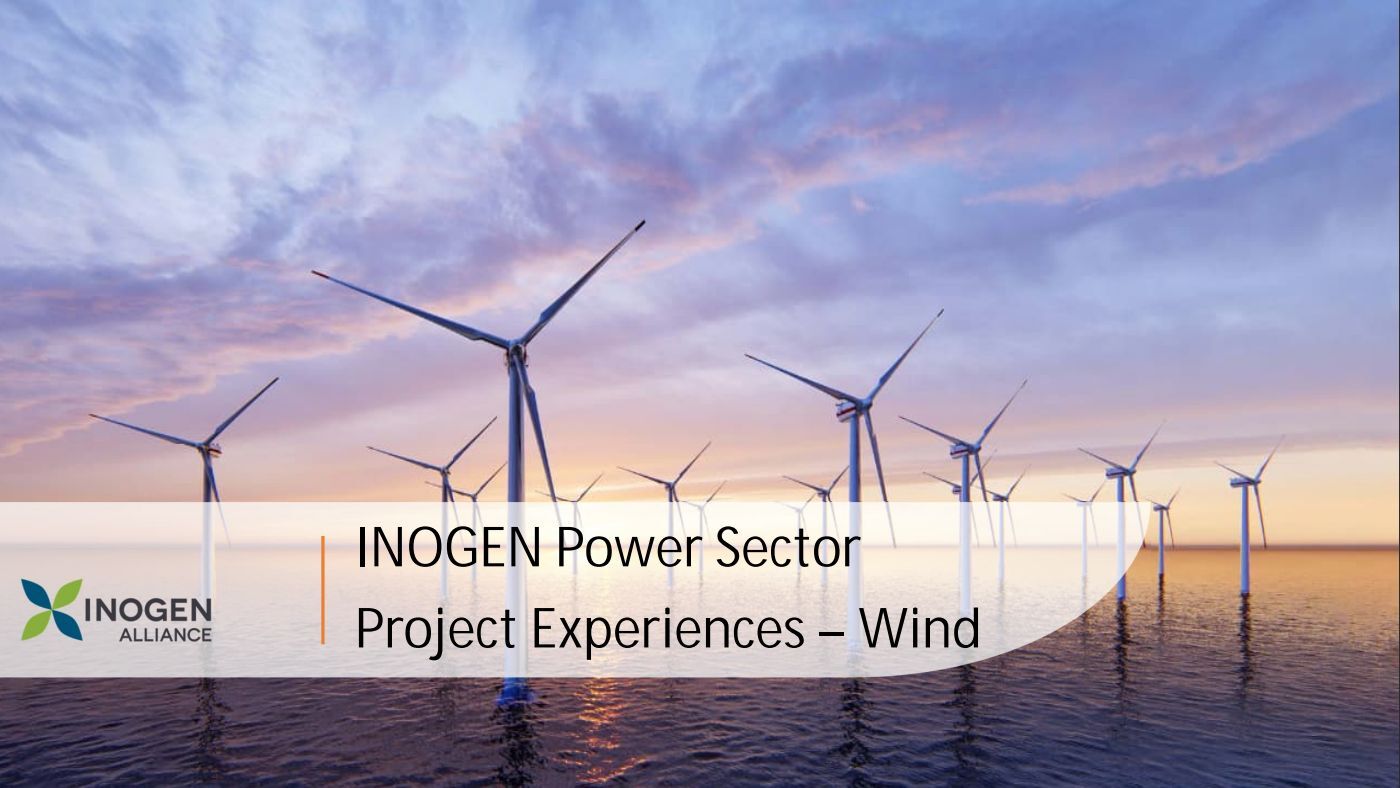
Learn more in our case study Environmental Impact Studies for Floating Solar, highlighting our work on a sustainable floating solar project in Singapore.
Frequently Asked Questions
What is an Environmental Impact Assessment (EIA)?
An Environmental Impact Assessment (EIA) is a structured process used to identify, evaluate, and mitigate the potential environmental and social impacts of a proposed project before construction begins. For renewable energy projects, an EIA helps developers understand potential effects on biodiversity, water resources, air quality, local communities, and the surrounding environment while supporting compliance with applicable regulations.
Why are Environmental Impact Assessments important for renewable energy projects?
Although renewable energy projects provide significant climate benefits, they can still affect local ecosystems, wildlife, water resources, and nearby communities. An EIA helps identify these potential impacts early so project teams can adjust designs, implement mitigation measures, and reduce permitting delays while supporting more sustainable project development.
Which renewable energy projects typically require an Environmental Impact Assessment?
Requirements vary by country and jurisdiction, but Environmental Impact Assessments are commonly required for larger renewable energy developments such as:
- Wind farms (onshore and offshore)
- Solar farms (utility-scale)
- Hydroelectric projects
- Geothermal developments
- Battery energy storage systems and supporting infrastructure
- Transmission lines associated with renewable energy projects
Project size, location, and potential environmental impacts typically determine whether a full EIA is required.
How do Environmental Impact Assessments support energy resilience?
As organizations invest in renewable energy to strengthen energy resilience, Environmental Impact Assessments help ensure projects are designed to perform reliably over the long term. By evaluating risks such as flooding, extreme weather, water availability, biodiversity impacts, and changing climate conditions, EIAs help developers build infrastructure that is both environmentally responsible and better prepared for future challenges.
What environmental factors are evaluated during an EIA?
While every project is different, Environmental Impact Assessments often evaluate:
- Wildlife and biodiversity
- Protected habitats and species
- Water resources and water quality
- Soil and land use
- Air quality
- Noise and visual impacts
- Cultural and archaeological resources
- Community and socioeconomic impacts
- Climate risks and long-term environmental resilience
What is environmental DNA (eDNA), and how is it used in Environmental Impact Assessments?
Environmental DNA (eDNA) is genetic material collected from environmental samples such as water, soil, or sediment. It allows scientists to detect the presence of species without physically capturing or observing them. As highlighted in this article, eDNA is becoming an increasingly valuable tool for biodiversity assessments, helping improve environmental monitoring while reducing field disturbance.
How can organizations reduce environmental impacts during renewable energy development?
The most effective approach begins with early planning and with local experts. Conducting Environmental Impact Assessments, engaging stakeholders, selecting appropriate project locations, incorporating mitigation measures, and monitoring environmental performance throughout the project lifecycle all help reduce impacts while supporting successful project delivery.
How does responsible environmental planning support the clean energy transition?
Meeting global climate goals requires accelerating renewable energy development while protecting ecosystems and communities. Environmental Impact Assessments help strike this balance by identifying potential risks early, improving project planning, supporting regulatory compliance, and helping renewable energy projects contribute to a more sustainable and resilient energy future.
In Closing
As governments and organizations accelerate the transition to cleaner energy, success depends on more than installing renewable infrastructure. Long-term performance, regulatory compliance, biodiversity protection, and community engagement all begin with careful planning. Environmental Impact Assessments help organizations balance these priorities while supporting a more resilient energy future.
Learn more about Inogen Alliance’s Environmental Services.
Inogen Alliance is a global network made up of dozens of independent local businesses and over 6,000 consultants around the world who can help make your project a success. Our Associates collaborate closely to serve multinational corporations, government agencies, and nonprofit organizations, and we share knowledge and industry experience to provide the highest quality service to our clients. If you want to learn more about how you can work with Inogen Alliance, you can explore our Associates or Contact Us. Watch for more News & Blog updates here and follow us on LinkedIn.